
Patient stories
Tigist
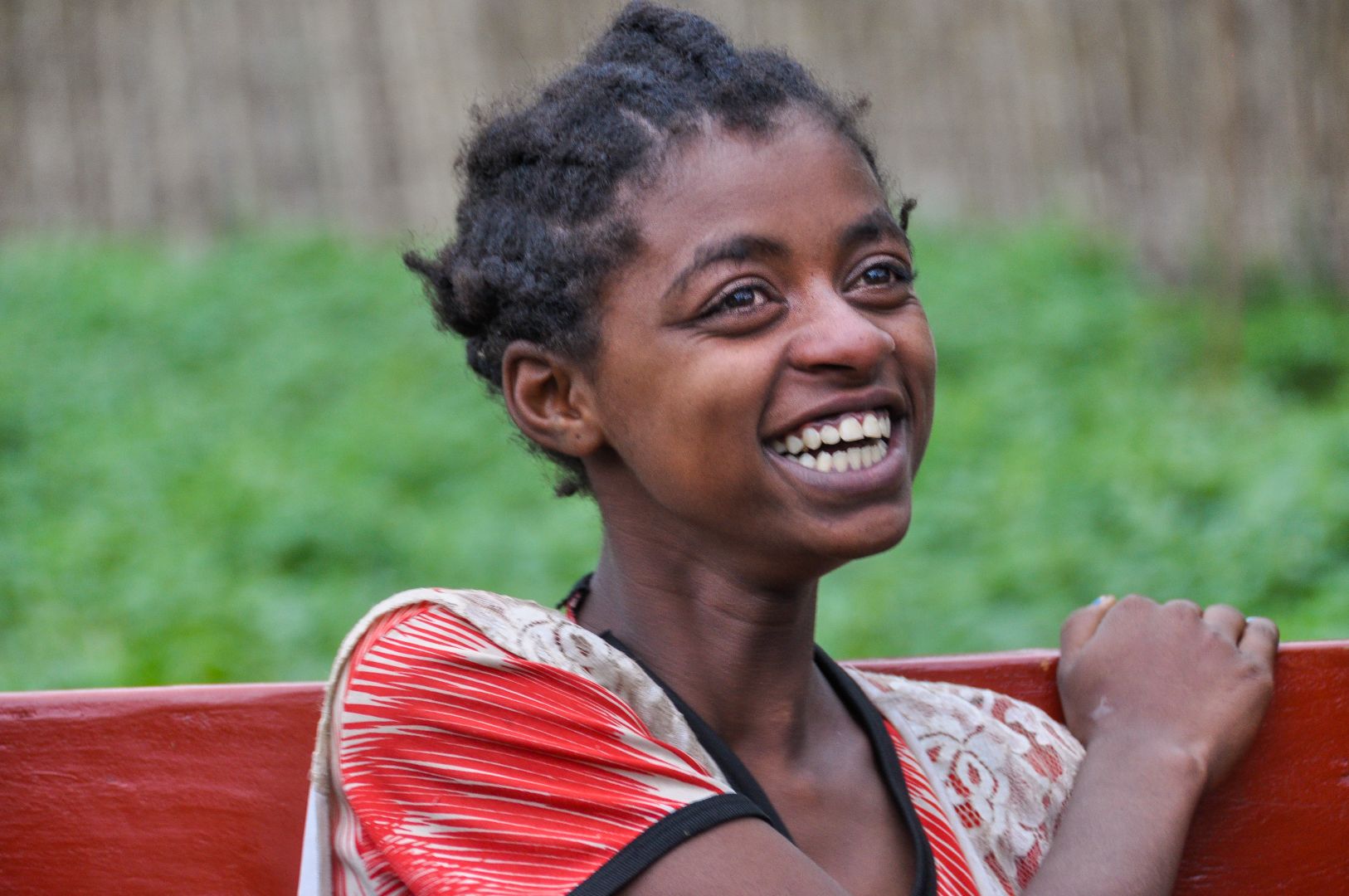
Tigist is 13 years old. She noticed her feet were itchy and began to swell, just like her father's. The swelling got worse, making it difficult for her to walk. She became the target of bullying and insults, and eventually had to stop going to school.
"I am often bullied by other kids because of my legs," she says. "When I go to school, my friends are spitting on me. When they insult me, when they run away… I feel very sad. I just feel that I live alone."
Footwork exists because podo is both treatable and preventable. With support, the lives of people like Tigist can be transformed. She is now receiving treatment and can look forward to going back to school and building a brighter future.
Unlike most of the 1.5 million people with podo in Ethiopia, Tigist has access to treatment at a remote clinic in Densa woreda, Amhara region. There, patients attend monthly meetings where the causes and prevention of podo are explained, and foot hygiene is practised.
Watch an ethnographic film sharing the story of Tigist and her family here.
Yitayih
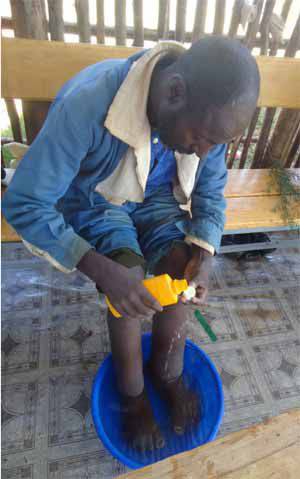
Some may not remember 1974, but Yitayih does; it was the year his podoconiosis symptoms began. The tell-tale itching and burning started in one foot and, two years later, affected the other. Neighbours, fearful and misinformed, spread myths: some said he stepped on the blood of a girl on her wedding day; others claimed he walked over a traditional herb cursed by an evil person.
Yitayih travelled to other areas seeking traditional treatments but saw no improvement and returned to his village. However, his family cast him out again, calling him a "leper." One day, he heard rumours of a new treatment programme starting in Debre Markos for people with podoconiosis. Tired of trying traditional remedies that didn't work, he was sceptical about this new approach.
At a community meeting, those who had attended the programme shared their experiences. Inspired by one man's remarkable recovery, Yitayih decided to try it himself. He received health education on foot hygiene and the importance of wearing shoes. Following the advice strictly, his swelling improved dramatically. His confidence returned, and he went back to his village.
"Because of the good treatment I have received, my feet are in good health, and no one insults me like before," Yitayih says. Now, he actively shares this health education message wherever he goes, at church, town, or community gatherings, to help others with podo.
Nsekambabaye
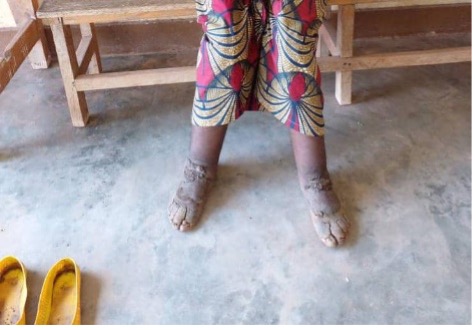
Angelique attends the Mulindi Treatment Center, one of the 13 established podoconiosis treatment centers across Rwanda. She was born in 1982, and began to show signs of podoconiosis when she was just 17 years old. Her family was not aware that she had podoconiosis and sought treatment through traditional healers. She was faced with a lot of challenges, including stigma from her family where she had to use her own utensils to avoid any cross contamination among family members. In her community, people thought that the condition was caused by the devil and no one wanted to greet or sit with her. She was living in total despair, dropped out of school and crying most days.
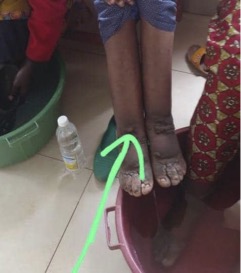
After she heard that the Mulindi Health Center was treating people affected by podoconiosis, she sought treatment immediately. Thanks to the podoconiosis skilled healthcare providers, she has seen much improvement. She has become the champion for podoconiosis care, educating her family and community about podoconiosis causes and prevention strategies, and encouraging other patients to seek treatment early to prevent worsening of the condition. Her life has positively changed. She is able to care for herself and feels like she is accepted at home and in her community.
Before treatment
After treatment